

 Canada
 Mexico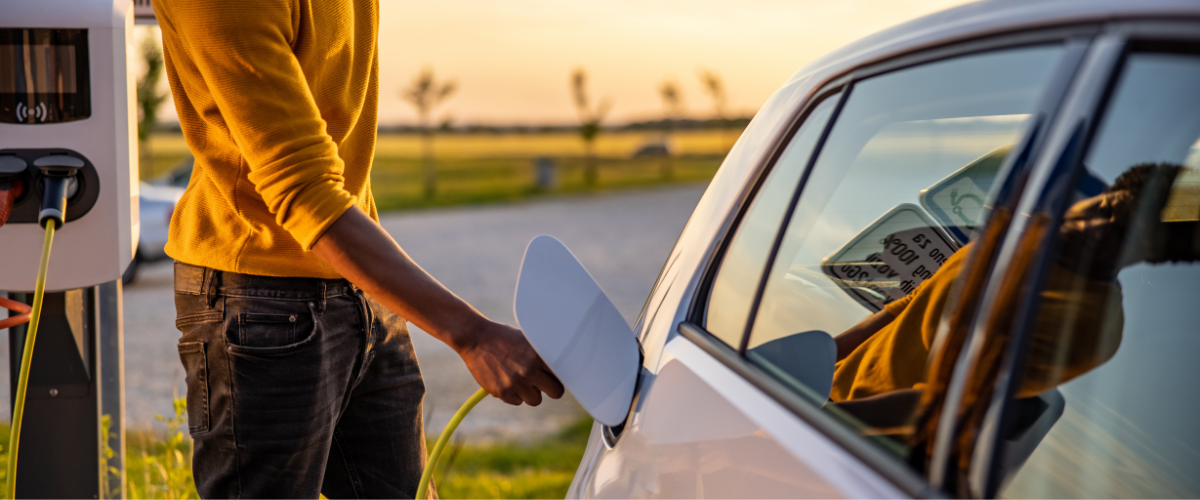
Hi readers, for generations the automotive market was simple. Build reliable vehicles, keep them affordable, and sell them.
Today, many of the world’s biggest automakers seem to be following a different strategy. Cars are becoming more expensive. EV targets are shifting. Hybrids are making a comeback. Software now matters as much as horsepower. And some brands appear more focused on profitability than affordability.
The automotive industry isn’t just changing what it builds. Consumers’ wants are changing, too.
The End of the Affordable Car?
Global automotive production is expected to dip 0.2% in 2026, a sharp slowdown from the 2.9% growth recorded in 2025. While Europe and the U.S. continue to grapple with affordability concerns, tariffs, and an uneven EV transition, the industry is being forced to rethink how it delivers value to today’s buyer.
For many consumers, buying a new vehicle feels harder than ever. Rising production costs, supply chain challenges, trade uncertainty, and investments in electrification are all contributing to higher vehicle prices. At the same time, consumers are becoming more selective about how and where they spend their money.
While today’s market faces plenty of challenges, the long-term direction is hard to ignore. Atradius forecasts that hybrid and electric vehicles will account for 59% of global light vehicle sales by 2030, up from just 10% in 2020. The future may be electric, but the transition is proving far less straightforward than many automakers originally envisioned.
Energy
How Does Credit Insurance Help Energy and Fuel Companies?
See how credit insurance can protect your business from payment issues, project delays, market price swings, and risks tied to unforeseen consequences of buyer default.
Learn MoreElectronics
How Does Credit Insurance Protect ICT and Electronics Companies?
Learn how credit insurance helps technology and electronics businesses stay resilient against tightened credit control, component shortages, fast-changing global demand, and more.
Learn MoreGet in Touch
Looking For a FREE Quote?
Obtaining a free Trade Credit Insurance quote or just some more information is fast and easy! Get in touch with us today.
Get Started Call 800-822-3223EV Revolution
Just a few years ago, the automotive future seemed certain. Almost every major automaker was announcing all-electric lineups. Governments were introducing incentives, and industry leaders were racing toward aggressive EV targets. Today, the reality looks much different.
While global EV sales continue to grow, adoption rates vary dramatically by region. According to the International Energy Agency, global electric vehicle sales surpassed 17 million units in 2024. However, Europe experienced slower momentum as incentives were reduced, while U.S. growth was more modest than many expected. This doesn’t mean consumers have rejected electrification. They have simply become more selective.
Many buyers still support the idea of electric vehicles, but they are weighing practical concerns such as affordability, charging infrastructure, battery performance, and overall value. The transition is still happening, just not at the same pace everywhere.
Carmakers Are Becoming Technology Companies
Today’s automotive competition is no longer centered on engines and horsepower. It’s centered on software. Consumers are placing more emphasis on advanced driver assistance systems, AI-enabled features, and digital experiences. Research from McKinsey shows technology is becoming a key differentiator in vehicle purchase decisions, often outpacing traditional factors like brand heritage or design.
This shift is reshaping brands across the market. Ford continues to expand connected vehicle capabilities, over-the-air software updates, and driver-assistance technologies throughout its lineup. Volkswagen is investing heavily in its software-defined vehicle strategy, while BMW is building advanced connected services and digital features that extend well beyond the traditional driving experience. Mercedes-Benz has gone a step further, prioritizing premium vehicles and technology-driven offerings that reinforce its focus on luxury, connectivity, and profitability.
As a result, automakers are increasingly competing with technology firms, startups, and software innovators. The battle is no longer simply about who builds the best vehicle. It’s about who delivers the best digital experience.
The Industry’s Identity Crisis
The automotive industry is not simply transitioning from gasoline to electricity. It is undergoing a complete identity shift.
Manufactures are balancing electrification, software development, profitability, regulatory pressure, and changing consumer expectations all at once. Meanwhile, buyers are demanding something increasingly difficult to deliver, which is cutting edge technology, sustainability, and affordability in a single package.
The next decade may not be defined by which automaker builds the fastest EV or releases the most advanced software. It may be defined by which companies can successfully balance innovation with accessibility.

Get the Latest Trends & Insights
Be the first to know about economic and political changes affecting you and your customers’ business, delivered right to your inbox.
Sign Up